
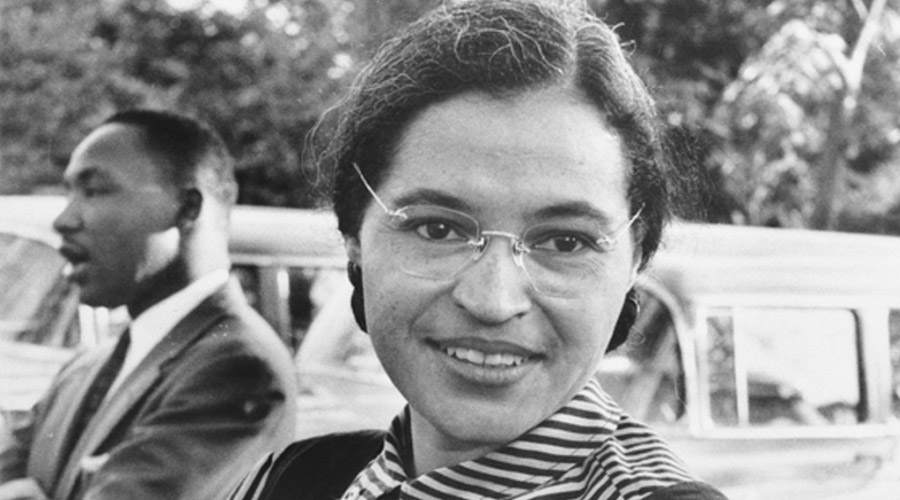
In October 2025, a statue of civil rights icon and Alabama native Rosa Parks was unveiled on the grounds of the Alabama Capitol in Montgomery. The monument sits beside the Capitol steps and faces Dexter Avenue, the street where Parks boarded a bus in 1955 and helped shape the course of American history. By refusing to give up her seat on the bus that day, Parks stood for the injustice faced by Black Americans.
The new statue offers an opportunity to reflect on the lasting impact of Parks and the broader themes of leadership, dignity and civic responsibility that define her legacy. It also encourages renewed discussion of how communities can preserve history while empowering future generations to lead boldly.
An Individual Who Drove Meaningful Change
Parks is often remembered for refusing to give up her seat, but her defiant act reflected years of thoughtful engagement with her community and a commitment to doing what was right. She understood the risks and recognized the importance of demonstrating strength in moments of pressure. Parks’ courage became a catalyst for the Montgomery Bus Boycott, an event that helped ignite the civil rights movement.
The new statue honors this legacy by offering visitors a space to consider how meaningful change and progress can begin with individuals who act with principle and clarity.
Preserving History for the Future
Communities across the U.S. continue to preserve historical sites that help people learn from the past. These efforts ensure that stories of resilience, leadership and possibility remain accessible for future generations. Preserving these places offers both a record of what came before and a guide for what is possible ahead.
Philanthropic support strengthens these efforts, especially by restoring and expanding access to cultural sites and developing and enhancing educational programs. When young people encounter real-world examples of leaders like Parks, they can learn from their example.
Robert F. Smith has long emphasized the importance of understanding how we can learn from history to build a better future. Through his philanthropic efforts to preserve cultural landmarks, he has encouraged people to examine how leaders throughout history have influenced progress. This commitment is reflected in the principles presented in “Lead Boldly: Seven Principles From Dr. Martin Luther King, Jr.” Through an examination of Dr. King’s speeches and principles with Smith’s context and insights, the book explores how individual people can lead boldly to drive meaningful change.
Leadership Lessons That Endure
“Lead Boldly” highlights lessons from history that remain relevant today. Leaders like Parks show that positive change is often driven by ordinary people who are committed to a cause, making consistent, steady choices each and every day. Supporting educational initiatives, investing in community programs and encouraging civic learning help strengthen the next generation of leaders.
A Call To Lead Boldly
Parks’ legacy also underscores the significance of collaboration. The Montgomery Bus Boycott succeeded because local leaders, families and organizations supported each other through a trying period.
By continuing to celebrate the stories of leaders like Parks, prioritizing historical preservation and investing in educational initiatives, we can ensure that these lessons remain alive for generations to come. Parks now welcomes visitors at the Alabama Capitol, offering a renewed call to take the steps necessary to lead boldly in pursuit of opportunity and progress.
Consider following Smith on YouTube or LinkedIn to learn about his work.